Global warming is making cancer Scientists have cautioned that these issues are more prevalent and more lethal for women in the Middle East and North Africa.
Researchers said the rising number of cancer cases found in a study of 17 Mena region countries is small but statistically significant, suggesting a notable increase in risk and deaths over time.
"As temperatures increase, the risk of cancer-related deaths among women goes up as well—especially for ovarian and breast cancers," stated Dr. Wafa Abuelkheir Mataria from the American University in Cairo, who was one of the authors of the study. Frontiers in Public Health While the increments for each degree increase in temperature may be small, their overall effect on public health is significant.
The research focused on 17 countries from the Middle East and North Africa region, including Algeria, Bahrain, Egypt, Iran, Iraq, Jordan, Kuwait, Lebanon, Libya, Morocco, Oman, Qatar, Saudi Arabia, Syria, Tunisia, the United Arab Emirates, and Palestine.
These nations have already witnessed significant increases in temperatures. It has been another record-breaking month in the UAE, with the National Centre of Meteorology recording temperatures of more than 50°C. April was the hottest month on record.
Previous research has indicated that the Gulf is heating up especially quickly. Campaign group Greenpeace Mena has been raising awareness of the issue, pointing out that the temperature in Kuwait was nearly 50°C throughout last week; that Morocco issued an official heatwave alert for several provinces; and that Iraq and Egypt were also grappling with intense heat.
Experts warn that increased temperatures in the area are jeopardizing food and water safety, leading to poorer air quality, disturbing infrastructures, and impacting health care services.
It suggests that this could also lead to increased exposure to cancer risk factors like environmental pollutants, and reduce the chances of timely detection and treatment.
However, the scientists said that while a combination of factors could lead to a major rise in the incidence of serious cancers, quantifying it was difficult.
Researchers gathered statistics regarding the incidence and fatality rates of breast cancer, ovarian cancer, cervical cancer, and uterine cancer, then contrasted this data with fluctuating temperature patterns from 1998 through 2019.
"During pregnancy, women face greater susceptibility to climate-induced health hazards," stated co-author Dr. Sungsoo Chun from the American University in Cairo.
This issue is further exacerbated by inequities that restrict access to healthcare. Disadvantaged women encounter an increased danger as they are disproportionately affected by environmental risks and have limited ability to obtain early detection and medical intervention.
Running the numbers
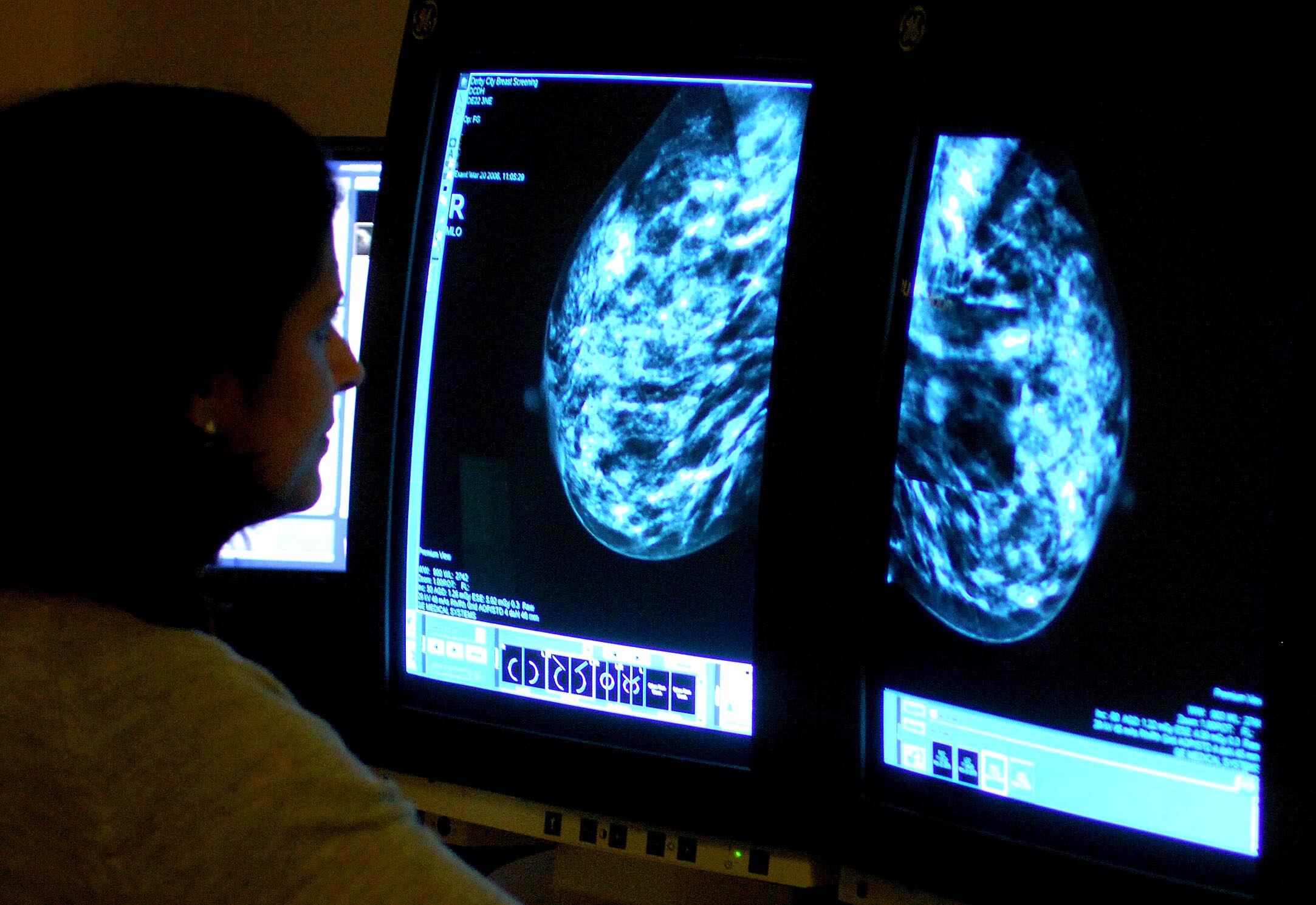
The research revealed that the incidence of various cancers increased from 173 to 280 cases per 100,000 individuals for every additional degree Celsius in temperature. The highest increase was observed in ovarian cancer cases, whereas breast cancer saw the lowest rise. Furthermore, mortality rates escalated by 171 to 332 fatalities per 100,000 people for each degree increment in temperature; ovarian cancer experienced the steepest hike, while cervical cancer had the mildest uptick.
The increase has not been consistent. For every degree Celsius rise, the incidence of breast cancer climbed by 560 cases per 100,000 individuals in Qatar, whereas it increased by just 330 cases in Bahrain.
Scientists indicated that extremely high summertime heat in certain nations might exert a more significant effect, along with additional elements that the model couldn’t account for, like increased concentrations of cancer-causing airborne pollutants in some areas.
Rising temperatures likely operate via several pathways," explained Dr. Chun. "This includes greater exposure to recognized carcinogens, disruption of healthcare services, and potential alterations in cellular-level biological processes. Collectively, these factors might increase the likelihood of developing cancer over an extended period.
Enhancing cancer screening programs, constructing climate-resistant healthcare systems, and decreasing exposure to environmental carcinogens are crucial measures.
Unless we tackle these fundamental weaknesses, the impact of climate change on cancer rates will keep increasing.
Komentar
Posting Komentar